
DISCOVER QUARTZ COUNTERTOPS, ADVANTAGES, AND STYLES PT 1
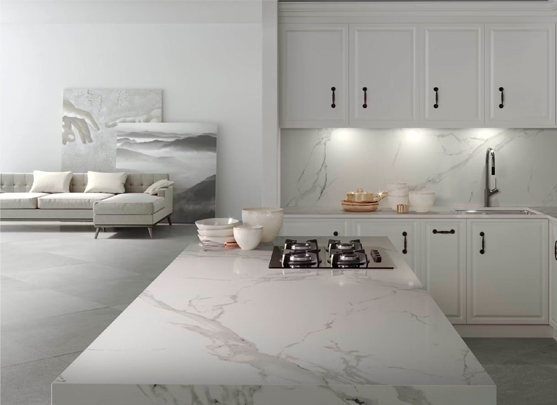
Quartz countertops are an excellent option for your kitchen. These countertops are strong, durable, and easy to maintain. They are made from a mix of natural quartz and resins, making them scratch and impact resistant. They are easy to install and do not require much maintenance.
These countertops are made of synthetic materials, making them more wear-resistant than natural stone countertops. Quartz is also resistant to moisture and dirt, allowing it to keep your countertop clean.
Additionally, these countertops are available in a variety of colors and styles to suit your needs. This makes it a popular choice for kitchen design.
Advantages of quartz countertops
Quartz countertops have numerous advantages. For starters, they're scratch and impact resistant, which means they can withstand the wear and tear of everyday use. This makes them very durable. In addition, they are very resistant to humidity and shock.
Another advantage of these countertops is that they do not absorb odors and flavors, which means that your countertop will always keep that new look. This is especially useful for experienced cooks.
Plus, they're chemical resistant, meaning they won't be affected by detergents and other cleaning products.
It is a material that resists cuts and blows. They are non-porous countertops, so we avoid the creation of bacteria in the kitchen and it is easy to clean with water, soap, and a cloth. It is resistant to wine and oil stains, the most common in the kitchen.
Quartz Countertop Design Options and Styles
Quartz countertops are available in a variety of styles and design options. This means that you can find the perfect countertop for your kitchen.
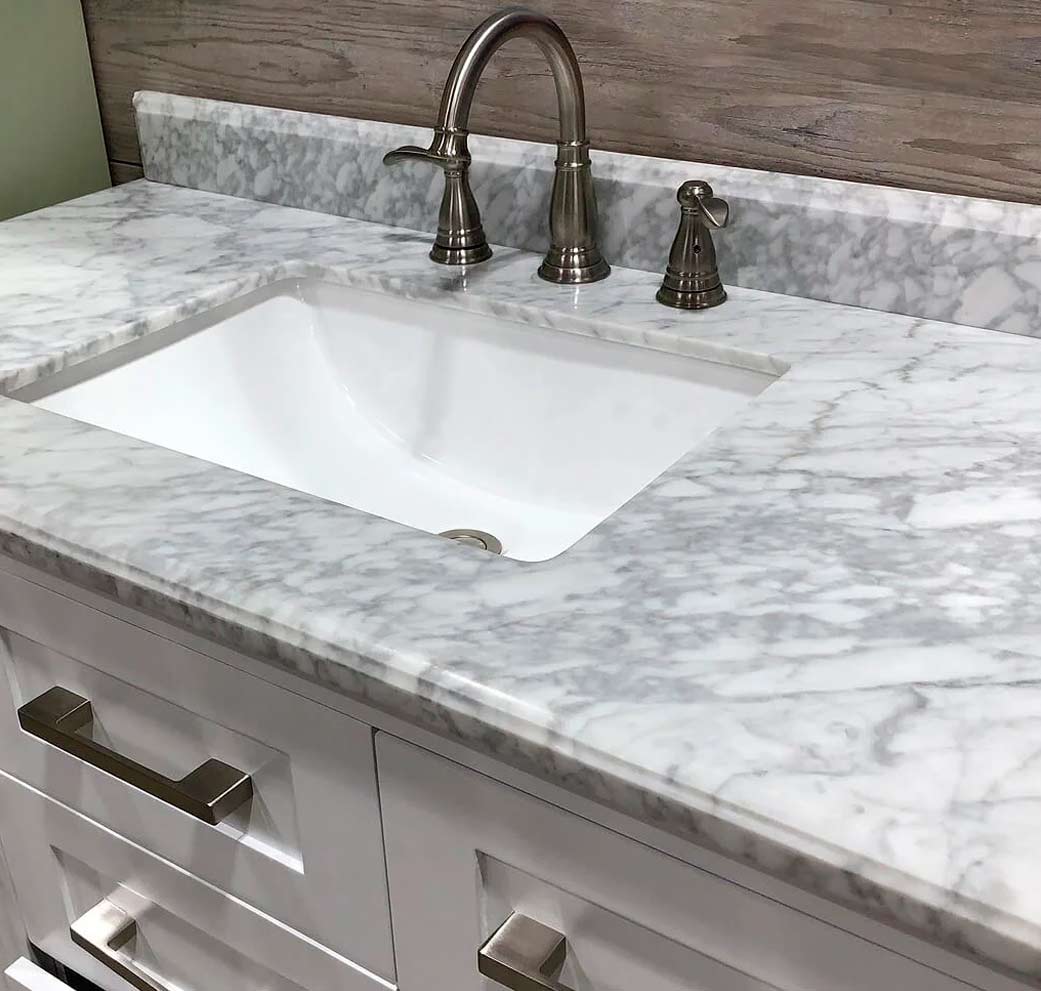
These styles include plain patterns, granite patterns, marble patterns, abstract patterns, and much more.
Also, they are available in a variety of colors. These colors range from whites and grays to blacks and browns. This means that you can find the perfect countertop for your kitchen.
Also, there are a variety of sizes available. This means that you can find the perfect countertop for your kitchen, even if your kitchen is small.
The importance of having adequate equipment to cut dekton and porcelain
Dekton, among other alternative stone materials, continues to grow in popularity for applications such as countertops, flooring, and both interior and exterior wall cladding. Being a hard dense product, it is crucial to use appropriate tooling during the fabrication process. Carlos Sustaita, production director for STA Granite, provides several important tips of advice for those working with compact sintered stone.
Why do products such as Dekton need special/different tools than those that are used for cutting granite and marble?
Material hardness is the key to understanding why you need different tools to fabricate Dekton. The material has a
very high density (ultra-compact), which means that if you don’t use proper tools, you can either break the tool or the material or even worse, damage the machinery.
The cutting process requires trimming the edges to release tensions. Then you have to follow cutting recommendations, which include using plenty of water, the proper speed, feed rate, etc. Once you follow the rules, it’s a piece of cake.


When doing edging on Dekton, What is the difference in the process compared to a natural stone?
In this sense, Dekton’s edge is very easy to work with since the material is very homogeneous, and it is easy to get very good results. Any fabricator can do it well on the first attempt.
What are some common mistakes that fabricators are making when it comes to cutting this material? And, what are some common mistakes with doing edging or doing sinkholes or something?
The main mistake is trying to fabricate Dekton as if it was a granite or quartz composite. You will fail if you use the same tools, speed rates, and so on. Another common mistake is trying to cut Dekton in uneven support. It is a common source of problems too.
Sometimes people ask about what machine is best to cut Dekton. I believe the key is not the machine but the tools and proper maintenance. I have seen people with very modest equipment doing amazing things and the other way around.
7 Keys for Cutting Ultra-Compact and Sintered Dekton and Porcelain Materials


1. Water
It may seem too simple or too intuitive to matter, but less than adequate water AND hoses positioned incorrectly is the most common error causing headaches among cutting these materials.
It may seem too simple or too intuitive to matter, but less than adequate water AND hoses positioned incorrectly is the most common error causing headaches among cutting these materials.
2. Check your table level
One of the more overlooked aspects of successful cutting is, to the degree that your table is not level in the horizontal plane, vibrations will occur. This unevenness can result in chipping and likely breaking the edge of your slab.
One of the more overlooked aspects of successful cutting is, to the degree that your table is not level in the horizontal plane, vibrations will occur. This unevenness can result in chipping and likely breaking the edge of your slab.
3. Buy the right blade
As cliche, as it may sound, choosing the right blade for the material you are processing, is critical.
As cliche, as it may sound, choosing the right blade for the material you are processing, is critical.
4. Removing tensioning strips
While each manufacturer of ultra-compact and sintered porcelain materials may, or may not have tensioning strips built into the perimeters of each slab, if they are not removed before cutting, the slab is at higher risk of cracking or breaking.
While each manufacturer of ultra-compact and sintered porcelain materials may, or may not have tensioning strips built into the perimeters of each slab, if they are not removed before cutting, the slab is at higher risk of cracking or breaking.
5. Feed rate and RPMs
Using the same feed rate and RPMs you may be accustomed to when cutting other materials can be a recipe for trouble. Unlike fabricating more common materials such as marble and granite, we’ve seen the most success cutting ultra-compact and sintered porcelain materials when following a systemized approach is used.
Using the same feed rate and RPMs you may be accustomed to when cutting other materials can be a recipe for trouble. Unlike fabricating more common materials such as marble and granite, we’ve seen the most success cutting ultra-compact and sintered porcelain materials when following a systemized approach is used.
6. Avoiding Plunging
While plunge cutting tends to be of little concern for most sawyers when cutting ultra-compact and sintered porcelain materials it can pose big problems resulting in cracking or breaking your slab.
While plunge cutting tends to be of little concern for most sawyers when cutting ultra-compact and sintered porcelain materials it can pose big problems resulting in cracking or breaking your slab.
7. Cutting Sinks
Projects requiring a sink cut-out can be an obstacle many fabricators dread. Since we already know plunging is not the ideal way to go about this, what are your options? When preparing a sink cut-out, it is advised to drill each of the four corners with a 1/2” core bit before to start initiating cutting.
Projects requiring a sink cut-out can be an obstacle many fabricators dread. Since we already know plunging is not the ideal way to go about this, what are your options? When preparing a sink cut-out, it is advised to drill each of the four corners with a 1/2” core bit before to start initiating cutting.
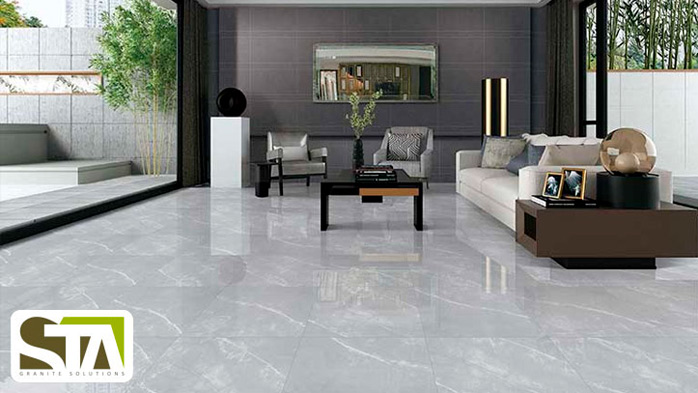
PORCELAIN FOR YOUR HOME, TILES
Ceramic tiles are thin pieces made of clay, silica, fluxes, dyes, and other raw materials to create floors and/or walls.…
Read More
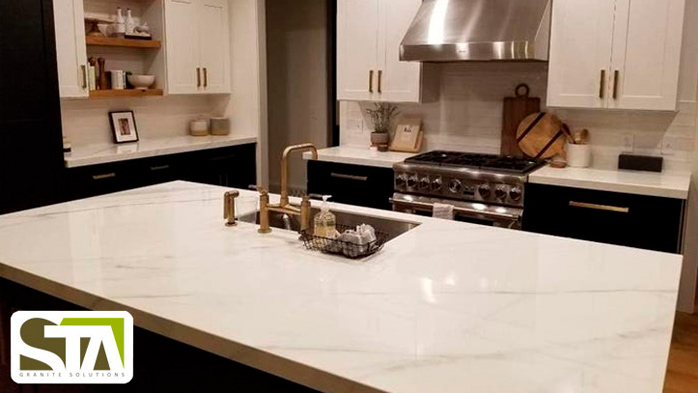
PORCELAIN FOR YOUR HOME, COUNTERTOPS FOR YOUR KITCHEN
Due to its great demand, porcelain kitchen countertops are becoming more sophisticated and have greater hardness
Read More
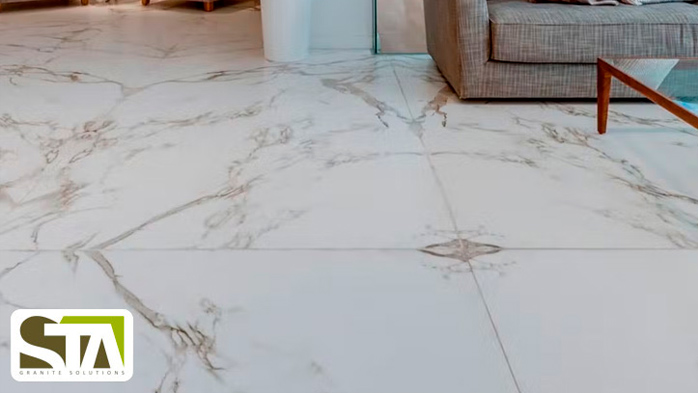
DEKTON FOR YOUR HOME, FLOORS, AND PAVEMENTS
Large format and minimal joints. Dekton allows you to create outdoor and indoor floors with great visual continuity and maximum…
Read More
- 1
- 2
- 3
- 4
- 5
- 6
- 7
- 8
- 9
- 10
- 11
- 12
- 13
- 14
- 15
- 16
- 17
- 18
- 19
- 20
- 21
- 22
- 23
- 24
- 25
- 26
- 27
- 28
- 29
- 30
- 31
- 32
- 33
- 34

