
INTERIOR DESIGN TRENDS WITH PORCELAIN AND DEKTON FOR THIS 2023
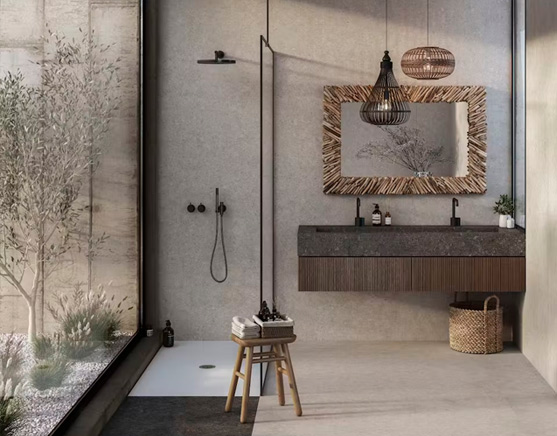
As at the beginning of the year, it is exciting to analyze and explain what the sector has in store for us in the coming months, and there is nothing like having the best to have a pulse and being able to anticipate the new trends in interior design.
Large-format surfaces inspired by natural Stone
We will see natural and elegant designs capable of transporting us to another era, with rich nuances, colors, and textures that make up a sensory experience beyond sight.
Different colors are presented in large-format boards of different thicknesses, allowing a continuity effect by minimizing the number of joints. Its utility is total, allowing its use in any application, from facades to floors, coverings, or countertops in bathrooms and kitchens, both indoors and outdoors.
Handmade pieces of unique and timeless design
Crafts and art are tools that interior designers have to provide a different accent to each project. Luckily, the expert work of the craftsman and the fact of having precious, quality objects are valued again.
We are entering the era of hyperactive spaces
The new spaces that are being generated do not expect to be inhabited without further ado but rather seek various processes of well-being and health, adapted to each person and lifestyle.
In this way, spaces are caring, are more comfortable, and improve people's health. All this, without forgetting the commitment to the environment, improving energy efficiency, recycling, and the use of clean energy. In the creation of hyperactive spaces, design surfaces such as Dekton and Porcelain play a fundamental role, which together with lighting, textiles, crafts, and technology, manage to create those sensations, taking care of people and the environment.
The bathrooms and kitchens open and integrate with the house
There is a clear trend that continues to establish itself every year and is here to stay: opening the kitchen to the living room and the bathroom to the bedroom. With this type of reform, spaciousness, luminosity, and fluidity are gained in the house, allowing these spaces to be enjoyed beyond the functional. The kitchen is the heart of the house and the epicenter of social life. The bathroom is a space for relaxation, disconnection, and self-care.
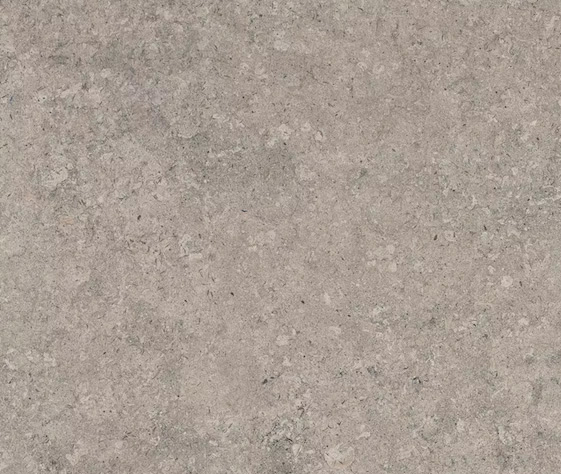
To integrate these spaces, the key is in the combination of surfaces, colors, and finishes, since there must be continuity with the entire house. With surfaces such as Dekton, this integration can be achieved by using the same flooring throughout the home and combining different wall coverings and furniture to differentiate spaces such as the kitchen or bathroom.
The importance of having adequate equipment to cut dekton and porcelain
Why do products such as Dekton need special/different tools than those that are used for cutting granite and marble?
Material hardness is the key to understanding why you need different tools to fabricate Dekton. The material has a
The cutting process requires trimming the edges to release tensions. Then you have to follow cutting recommendations, which include using plenty of water, the proper speed, feed rate, etc. Once you follow the rules, it’s a piece of cake.


In this sense, Dekton’s edge is very easy to work with since the material is very homogeneous, and it is easy to get very good results. Any fabricator can do it well on the first attempt.
What are some common mistakes that fabricators are making when it comes to cutting this material? And, what are some common mistakes with doing edging or doing sinkholes or something?
The main mistake is trying to fabricate Dekton as if it was a granite or quartz composite. You will fail if you use the same tools, speed rates, and so on. Another common mistake is trying to cut Dekton in uneven support. It is a common source of problems too.
Sometimes people ask about what machine is best to cut Dekton. I believe the key is not the machine but the tools and proper maintenance. I have seen people with very modest equipment doing amazing things and the other way around.
7 Keys for Cutting Ultra-Compact and Sintered Dekton and Porcelain Materials


It may seem too simple or too intuitive to matter, but less than adequate water AND hoses positioned incorrectly is the most common error causing headaches among cutting these materials.
One of the more overlooked aspects of successful cutting is, to the degree that your table is not level in the horizontal plane, vibrations will occur. This unevenness can result in chipping and likely breaking the edge of your slab.
As cliche, as it may sound, choosing the right blade for the material you are processing, is critical.
While each manufacturer of ultra-compact and sintered porcelain materials may, or may not have tensioning strips built into the perimeters of each slab, if they are not removed before cutting, the slab is at higher risk of cracking or breaking.
Using the same feed rate and RPMs you may be accustomed to when cutting other materials can be a recipe for trouble. Unlike fabricating more common materials such as marble and granite, we’ve seen the most success cutting ultra-compact and sintered porcelain materials when following a systemized approach is used.
While plunge cutting tends to be of little concern for most sawyers when cutting ultra-compact and sintered porcelain materials it can pose big problems resulting in cracking or breaking your slab.
Projects requiring a sink cut-out can be an obstacle many fabricators dread. Since we already know plunging is not the ideal way to go about this, what are your options? When preparing a sink cut-out, it is advised to drill each of the four corners with a 1/2” core bit before to start initiating cutting.
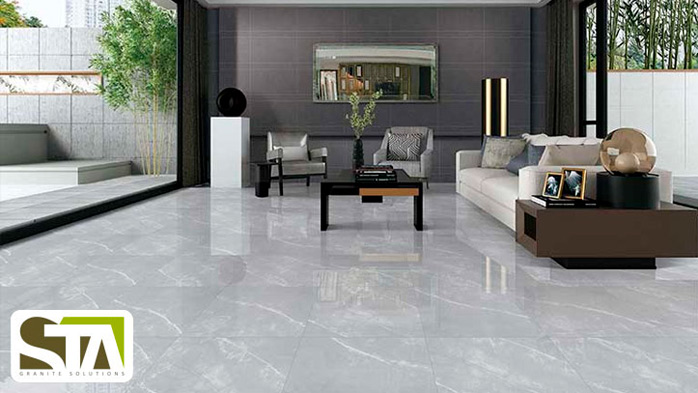
PORCELAIN FOR YOUR HOME, TILES
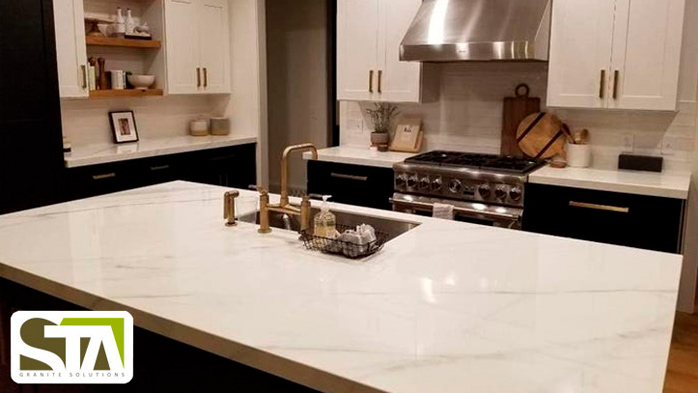
PORCELAIN FOR YOUR HOME, COUNTERTOPS FOR YOUR KITCHEN
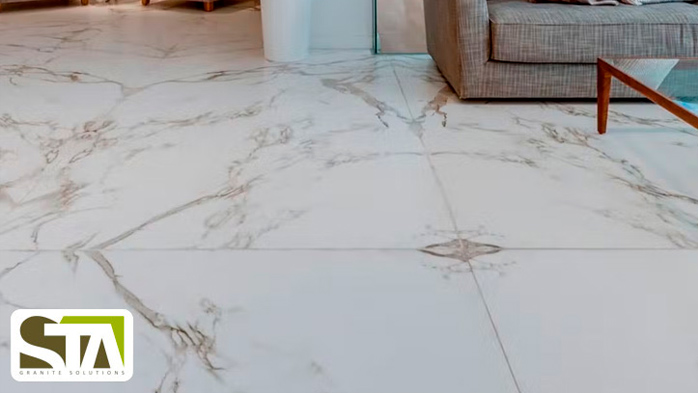
DEKTON FOR YOUR HOME, FLOORS, AND PAVEMENTS
- 1
- 2
- 3
- 4
- 5
- 6
- 7
- 8
- 9
- 10
- 11
- 12
- 13
- 14
- 15
- 16
- 17
- 18
- 19
- 20
- 21
- 22
- 23
- 24
- 25
- 26
- 27
- 28
- 29
- 30
- 31
- 32
- 33
- 34

