
THE MOST POPULAR GRANITE COUNTERTOP COLORS OF 2023 PART 1
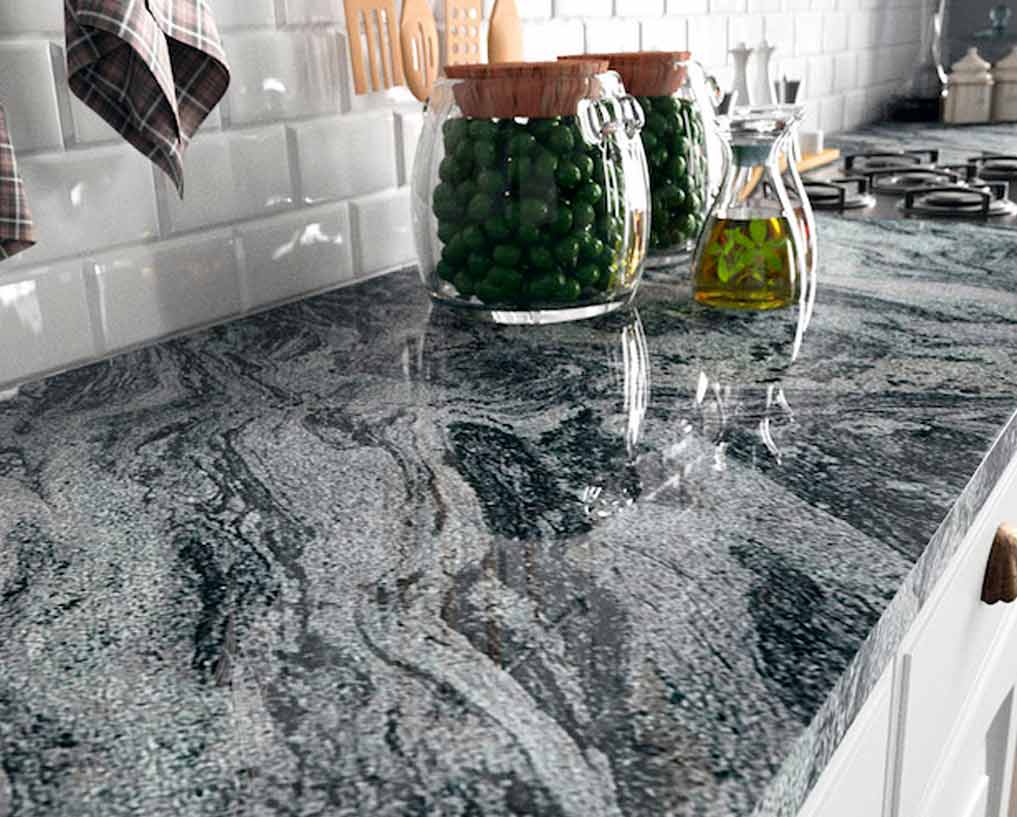
Granite has been used as a kitchen countertop material for over 40 years. Since its original popularity in the United States, it is now used as a major countertop material throughout the world. Of course, there must be many reasons why people choose granite countertops. These include durability, aesthetics, and other features of granite countertops.
The popularity of granite countertop colors is related to many factors. People living in different countries have different preferences and understandings of different colors.
In the past 10 years, more than 20 popular granite countertop materials have been promoted to the world market. Of course, the quality and price of each material are recognized by us and our customers, and we have received positive feedback from the engineering buyer.
Features and trends of popular granite countertop colors of 2023
LIGHT COLORS SERIES
We can see the popularity of light-colored furniture and decorative styles from the surrounding friends' houses or some of the newer buildings today. Similarly, light-colored granite materials are also becoming popular.
There are many popular clear granite countertops on the market today. These products come with different grains, but the background color is all clear. There are even times when some new clients do not pay attention to details such as the size of this material, focusing on the general color tone.
NEUTRAL COLORS
It is no secret that people's pursuit of neutral colors is no secret, we can see in the large-scale interior furniture fairs every year that more furniture has started to opt for neutral colors such as white, gray, beige, etc. Of course, this has to do with people's pursuit of a simple life.
Many young people believe in relieving heavy pressure, escaping from endless competition, and returning to the tranquility of nature. In the same way, this philosophy is transferred to the design and selection of its products for the home.
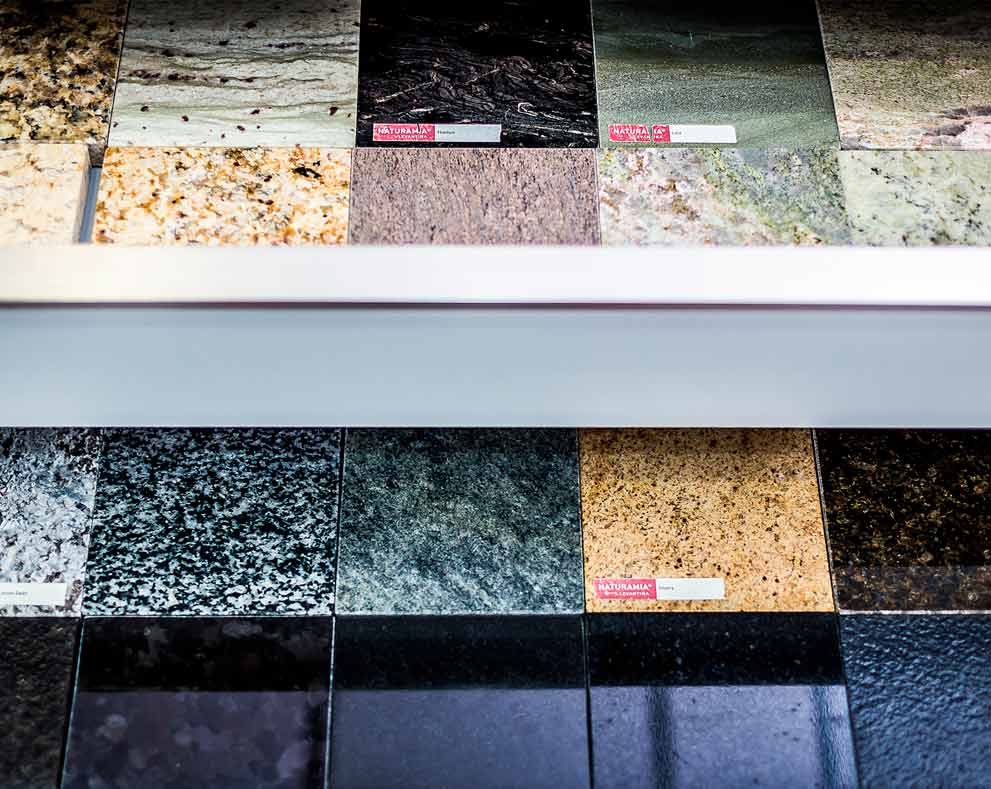
The importance of having adequate equipment to cut dekton and porcelain
Why do products such as Dekton need special/different tools than those that are used for cutting granite and marble?
Material hardness is the key to understanding why you need different tools to fabricate Dekton. The material has a
The cutting process requires trimming the edges to release tensions. Then you have to follow cutting recommendations, which include using plenty of water, the proper speed, feed rate, etc. Once you follow the rules, it’s a piece of cake.


In this sense, Dekton’s edge is very easy to work with since the material is very homogeneous, and it is easy to get very good results. Any fabricator can do it well on the first attempt.
What are some common mistakes that fabricators are making when it comes to cutting this material? And, what are some common mistakes with doing edging or doing sinkholes or something?
The main mistake is trying to fabricate Dekton as if it was a granite or quartz composite. You will fail if you use the same tools, speed rates, and so on. Another common mistake is trying to cut Dekton in uneven support. It is a common source of problems too.
Sometimes people ask about what machine is best to cut Dekton. I believe the key is not the machine but the tools and proper maintenance. I have seen people with very modest equipment doing amazing things and the other way around.
7 Keys for Cutting Ultra-Compact and Sintered Dekton and Porcelain Materials


It may seem too simple or too intuitive to matter, but less than adequate water AND hoses positioned incorrectly is the most common error causing headaches among cutting these materials.
One of the more overlooked aspects of successful cutting is, to the degree that your table is not level in the horizontal plane, vibrations will occur. This unevenness can result in chipping and likely breaking the edge of your slab.
As cliche, as it may sound, choosing the right blade for the material you are processing, is critical.
While each manufacturer of ultra-compact and sintered porcelain materials may, or may not have tensioning strips built into the perimeters of each slab, if they are not removed before cutting, the slab is at higher risk of cracking or breaking.
Using the same feed rate and RPMs you may be accustomed to when cutting other materials can be a recipe for trouble. Unlike fabricating more common materials such as marble and granite, we’ve seen the most success cutting ultra-compact and sintered porcelain materials when following a systemized approach is used.
While plunge cutting tends to be of little concern for most sawyers when cutting ultra-compact and sintered porcelain materials it can pose big problems resulting in cracking or breaking your slab.
Projects requiring a sink cut-out can be an obstacle many fabricators dread. Since we already know plunging is not the ideal way to go about this, what are your options? When preparing a sink cut-out, it is advised to drill each of the four corners with a 1/2” core bit before to start initiating cutting.
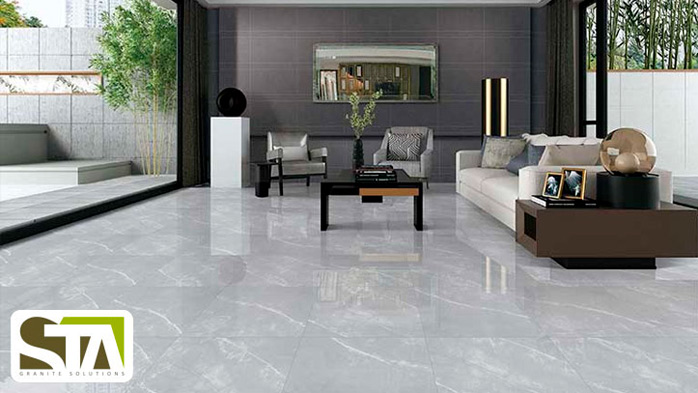
PORCELAIN FOR YOUR HOME, TILES
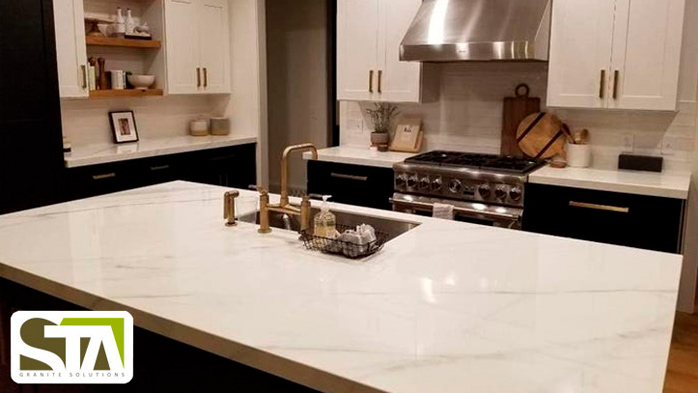
PORCELAIN FOR YOUR HOME, COUNTERTOPS FOR YOUR KITCHEN
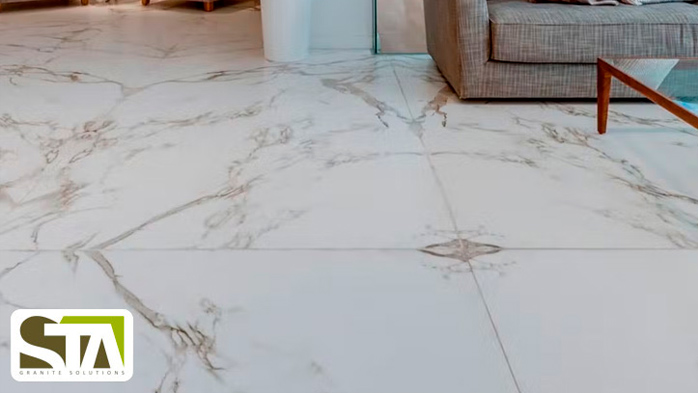
DEKTON FOR YOUR HOME, FLOORS, AND PAVEMENTS
- 1
- 2
- 3
- 4
- 5
- 6
- 7
- 8
- 9
- 10
- 11
- 12
- 13
- 14
- 15
- 16
- 17
- 18
- 19
- 20
- 21
- 22
- 23
- 24
- 25
- 26
- 27
- 28
- 29
- 30
- 31
- 32
- 33
- 34

